Lapped on three sides by the sea, Cornwall is renowned for its stunning coastal scenery and marine habitats. Home to a huge array of sea life, all kinds of natural wonders make themselves at home around the county’s salt-flecked edges. From dinky anemones in flourishing rockpools to swift seabirds and charismatic dolphins soaring above and below the waves, the variety of species is as diverse as it is beautiful.
Ready to dive beneath the surface of Cornwall’s underwater worlds? Here’s our guide to some of the amazing marine life you can find around the county.
Seals
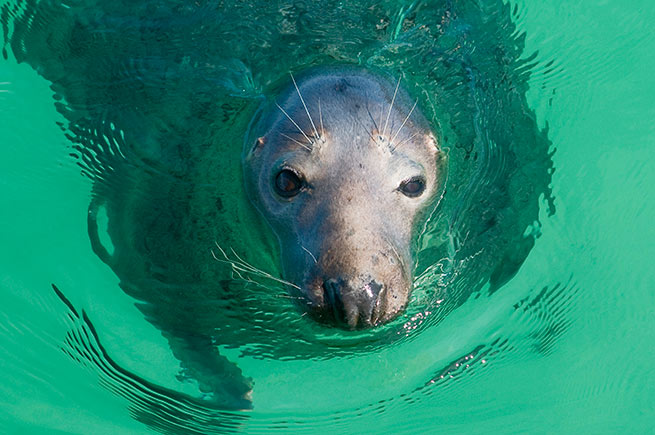
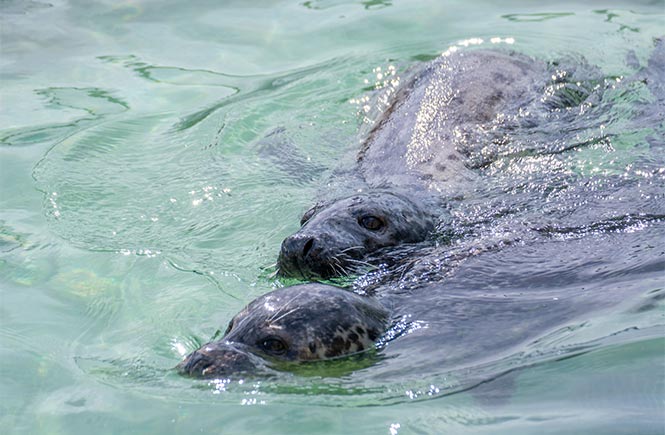
Often seen sunning on quiet shores and bobbing amongst inky waves, seals are a cherished sight around Cornwall’s coastline. A treat to (safely) spot, these ridiculously endearing marine mammals are generally one of two species in Cornwall: common seals (also known as harbour seals) and grey seals. The larger species of the two is the grey seal, which can weigh up to a whopping 300kg, and both species are protected in Britain. In fact, did you know that the UK is home to more than a third of the world’s grey seal and Europe’s common seal populations? This makes Cornwall a really important place for our doe-eyed friends and it’s vital we continue to protect their wild spaces, as well as supporting local charities who look after sick and injured animals.
Dolphins and porpoise
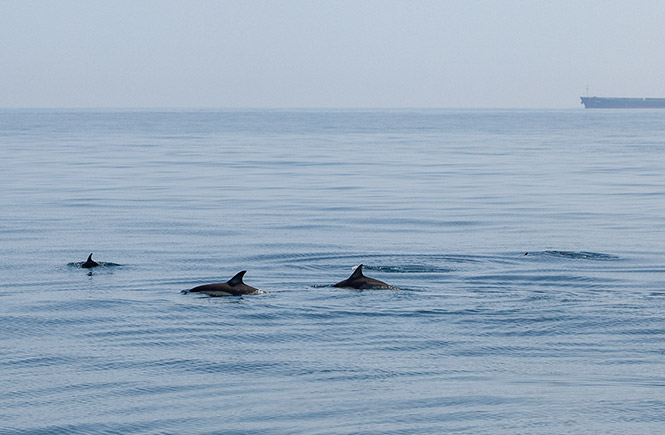
Think of marine life in Cornwall and one of the first mammals that’s bound to spring to mind is the dolphin. Wonderfully intelligent, social, and playful beings, dolphins never fail to enchant all those who see them. And the best place of all to see a dolphin? The wild, of course. In Cornwall, we’re lucky enough to be graced with several different species of both dolphins and porpoises. They’re not always easy to identify from afar, but don’t worry if you can’t tell them apart… It’s not on porpoise. Some of the most common residents in Cornish waters are the common dolphin, harbour porpoise, bottlenose dolphin, white-beaked dolphin, and Risso’s dolphin. Fun fact: orcas are not actually whales, but the largest species of dolphin. Visiting pods can sometimes be seen in Cornwall, making for a truly breathtaking sight!
Whales
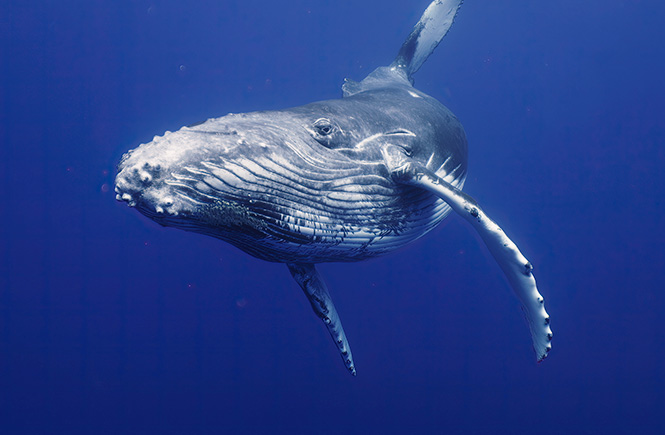
Who doesn’t whaley love whales? Gentle giants of the sea, these fully aquatic marine mammals glide through the ocean with ethereal grace, feeding on fish, squid, and krill. While these marine sovereigns are often found in deeper sea waters, sightings around the Cornish coast have become more common in recent years, including humpback, minke, and, very occasionally, fin whales. Seen throughout the year, the humpback whale is instantly recognisable with its large, knobbly head and penchant for aerial acrobatics (no mean feat considering its 40-ton frame). Significantly smaller in size, what the minke whale lacks in mass, it certainly makes up for in charm, and noise – renowned for its 150-decibel underwater vocalisations.
Fish
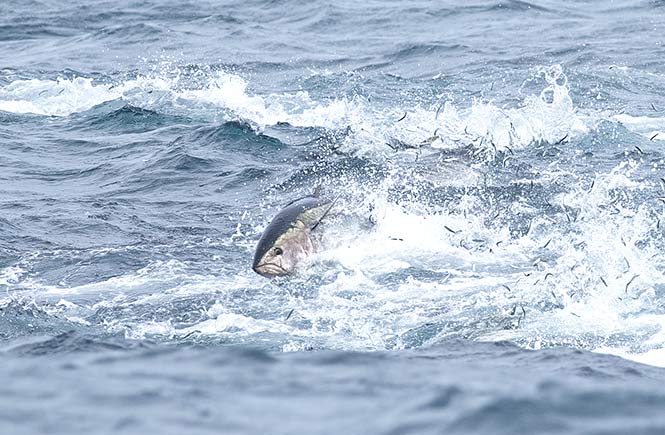
According to the Cornwall and Isles of Scilly Federation for Biological Recorders, more than 200 species of fish can be found in the waters around Cornwall and the Isles of Scilly. Ranging from the adorable blenny and the long-snouted seahorse to giant sunfish and mighty Atlantic bluefin tuna, they include both resident and migratory species and come in all shapes and sizes. You can even find several species of ray, including the endangered undulate ray with its beautiful, wave-like patterns and the gorgeous spotted ray with its speckled back. Close to shore and flitting around harbours, you can most commonly clock the silvery flashes of mackerel, mullet, and sand eels – the latter of which you can often see in large shoals, and are a key food source for many larger native species.
Sharks
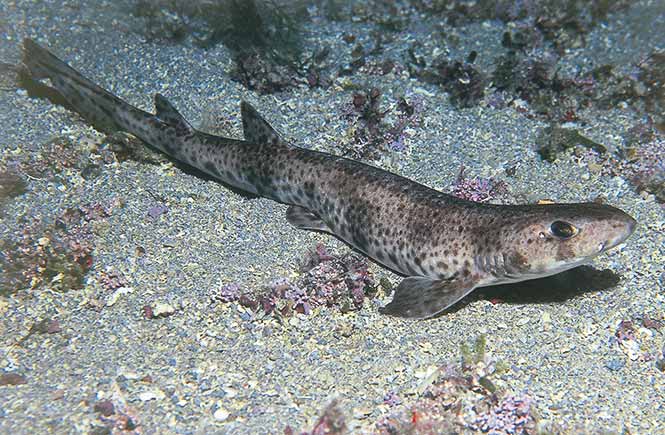
Okay, so we know that sharks are technically fish. But surely these enigmatic beings deserve their own section? Thanks to films such as Jaws, sharks have received a pretty bad rep in popular culture. Largely misunderstood, these complex beings represent 450 million years of evolution and are an essential part of our marine ecosystems, both in Cornwall and around the world. One of the smallest species of sharks in UK waters, the small-spotted catfish (aka lesser-spotted dogfish and doghound) are common residents of the Cornish coast. Often hiding during the day, these little sharks hunt at night, munching on crabs, shrimp, and small fish. One of the largest sharks in the world, basking sharks also visit Cornish waters. These peaceful giants grow up to 12 meters long and feed solely on microscopic plankton.
Seabirds
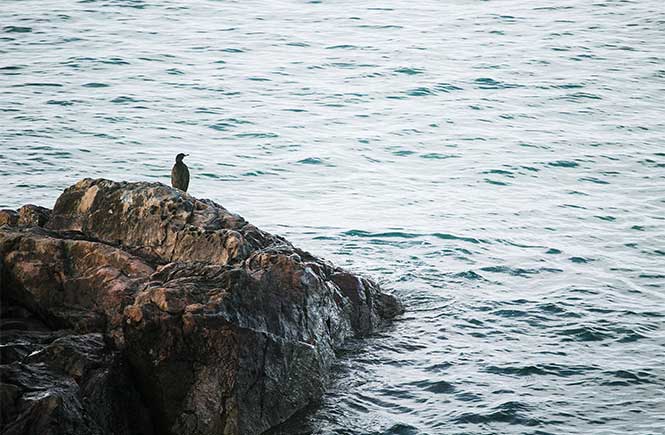
See birds on the coast? They’re seabirds. Aerial maestros who have mastered life amongst sea and sky, these feathered wonders find themselves at home amongst the estuaries, coves, cliffs, and dunes of Cornwall’s marine habitats. Particularly synonymous with the coast are our beloved herring gulls. Although these characterful birds are so familiar, their numbers have actually declined over recent decades, and they are now classified in the UK under red status as endangered. As you mooch around harbours and follow the county’s undulating coastal trails, seabirds you may also spot en route include cormorants, shags, common gulls, guillemots, kittiwakes, terns, and, if you’re lucky, puffins. A symbol of Cornwall, the red-beaked, red-legged chough has also made a heart-warming comeback in recent years. Though not a seabird, this glossy-feathered beauty can often be seen on the coastline of West Cornwall - often heard before it is spotted with its distinctive “chuff” call.
Crustaceans
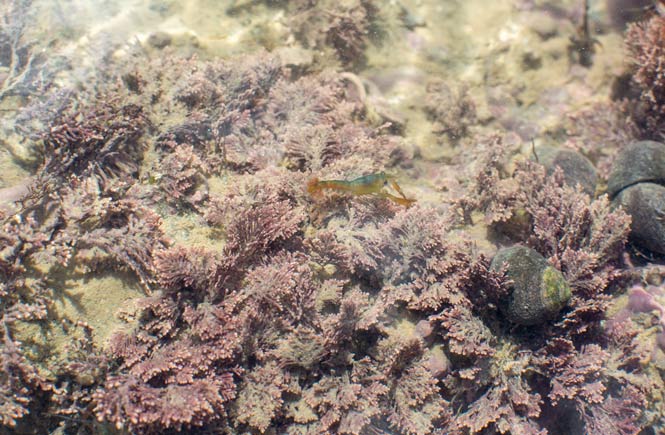
Cornwall’s marine life is fascinating, and the truth is, you don’t have to venture far to admire the county’s watery worlds. With beaches and coves peppered with rockpools revealing gorgeous marine life in miniature, you can glimpse some of the tiny (and not so tiny) residents who live closer to our shores. Easy to recognise, brown crabs, lobsters, spider crabs, and hermit crabs are all well-known crustaceans inhabiting the shallows. Meanwhile, amongst the rockpools, velvet swimming crabs, common prawns, shore crabs, and porcelain crabs are frequently seen. Not to mention, molluscs such as octopus, cuttlefish, oysters, and mussels. Just remember, it’s always best practice to simply sit back and watch life slowly unfold in rockpools, rather than disturbing what’s in there.
How to safely (and respectfully) enjoy Cornwall’s amazing marine life
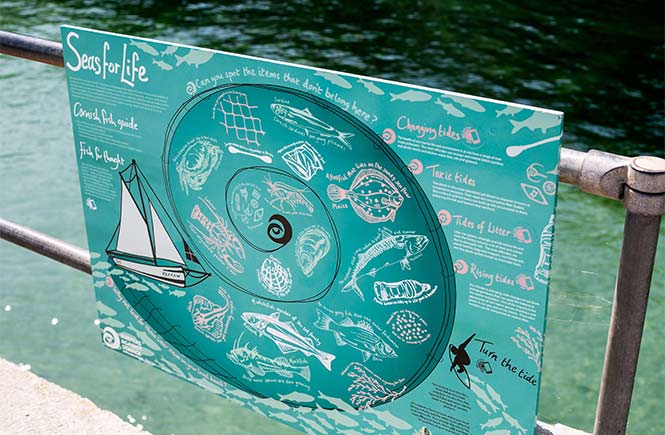
Cornwall’s marine life is so beautiful, it can be tempting to get carried away and get too close. However, our marine ecosystem is as delicate as it is magical, and it’s really important to preserve wild spaces, protect our marine species, and take it all in from afar. Providing great advice are useful resources that you can refer to, such as the Marine and Coastal Code, which highlights best practices and how to keep everyone safe. If in doubt, remember to keep a significant distance from marine mammals and cliff-nesting birds (at least 100 meters), stay calm and quiet to avoid disturbance, never pursue wildlife, and make sure you take all your gear and equipment away with you. If you plan to head out wildlife watching, it’s always best to go out with a buddy, or ensure your loved ones have a detailed plan of where you’ll be.
If you come across a sick, injured, or stranded marine animal, please contact British Divers Marine Life Rescue on 01825 765 546. You can also contact the Cornish Seal Sanctuary on 01326 221 361 for advice on injured or distressed seals. To report wildlife disturbance or a deceased marine animal, please call 0345 201 2626 to reach Cornwall Marine and Coastal Code and the CWT Marine Strandings Network.
Wildlife watching tours
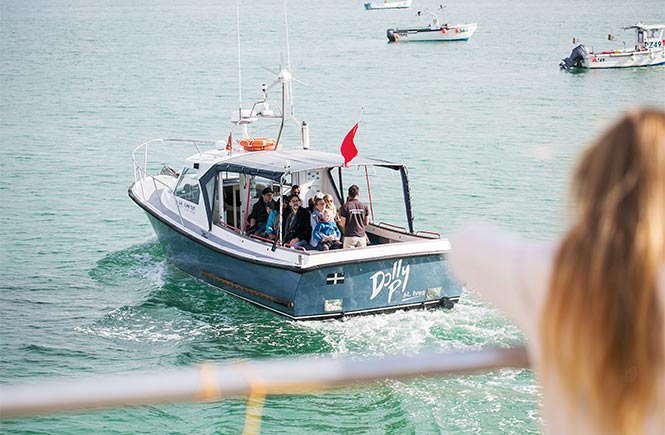
Departing from salt-washed harbours around Cornwall, a number of accredited boat operators provide guided wildlife watching trips in season. Run by expert locals, these exhilarating excursions offer a safe way to enjoy the coast from a new perspective and an unmissable opportunity to see mesmerising marine mammals, fish, seals, seabirds, and more. Hop aboard with crews such as Padstow Sealife Safaris, AK Wildlife Cruises in Falmouth, and Marine Discovery ‘Shearwater II’ in Penzance and look forward to an unforgettable day on the sea.
Ready to take a splash? Browse our holiday cottages in Cornwall and get ready to fall in love with Cornwall’s amazing marine life.
Tags: Wildlife | Animals | Boat Trips |