Ready for some wildly good news stories? All around Cornwall, charities, businesses, and volunteers are leading amazing campaigns to protect our county’s countryside and coast.
From major reforestation projects restoring Cornwall’s precious temperate rainforest to the hardworking volunteers looking after the tiniest residents, here are some of the inspiring things taking place. And, importantly, why every small step makes a big difference in protecting the county we love.
Beavers reintroduced to Cornwall for the first time in 400 years
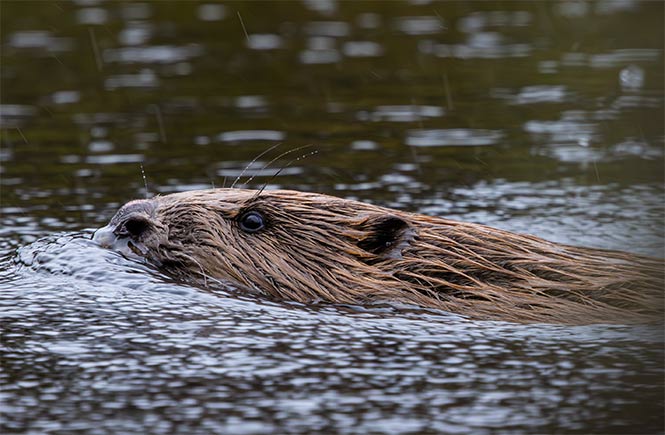
Two pairs of beavers have been reintroduced to the wild in Cornwall – 400 years after they were hunted to extinction. As part of a decade-long reintroduction campaign led by Cornwall Wildlife Trust, the pairs were released into the Par and Fiver river catchments, ready to work their magic on local waterways.
Naturally industrious, the work of these hardworking mammals is essential for maintaining thriving river systems. A keystone species, their eco-engineering helps to reinforce riverbanks, slow down rivers, store carbon, filter pollutants, and reduce flooding. It also helps to create vital wetland habitats, in turn supporting a wide range of wildlife species. And, they’re really cute.
Matt Walpole, Chief Executive Officer for Cornwall Wildlife Trust, expands on this exciting development: “Beavers don’t just belong here - they have the potential to transform how our catchments function and how we work with nature to tackle some of the biggest environmental challenges of our time”.
With one in six native species at risk of being lost forever in Britain, this brilliant project marks a significant step in conservation, both for Cornwall and further afield. All going to plan, it will also create a blueprint for the release of around 100 more beavers into seven UK rivers in 2026.
No Trees, No Seas campaign launched by Plant One
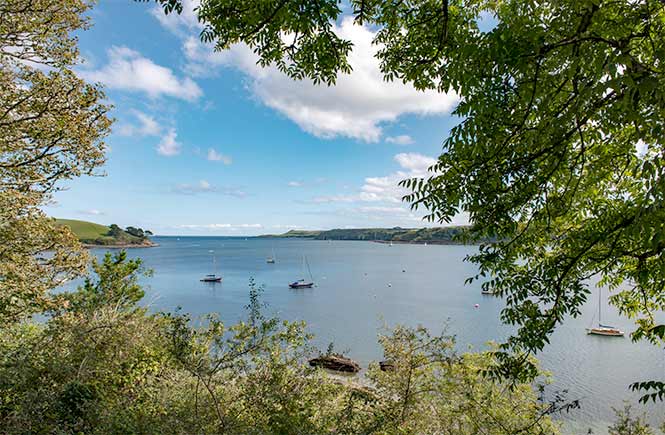
Thanks to research conducted by The Woodland Trust and conservationist, Dr Benjamin Phillips, new light is being shone on the relationship between forests and oceans. The take? The future of our marine habitats is rooted in the future of our trees.
Putting plans into action, local charity, Plant One, has recently launched its new No Trees, No Seas campaign. Leading major reforestation projects across Cornwall, Director and Co-Founder, Carl Rowlinson, explains: “The British Isles were once covered in forest; yet we currently live in the most deforested county, in the most deforested country in Europe.
The forest and the sea are not divided but work together as one. Fundamentally, healthy trees mean healthy seas. Over the next 5 years, we plan to plant 500 hectares of forests and restore precious ‘flowscapes’. Reforesting our land with native trees is key to life in the blue and the green, and we’re excited to see actionable steps leading to real, visible change”.
Since 2021, Plant One has already planted over 36,000 trees in Cornwall and has inspired countless people and businesses to get involved. With work already underway for its latest campaign, it believes our county’s mild Atlantic climate makes it one of the best places to restore these symbiotic networks and create a sustainable future for land and sea.
Octopus numbers soar in Cornish waters for the first time in decades
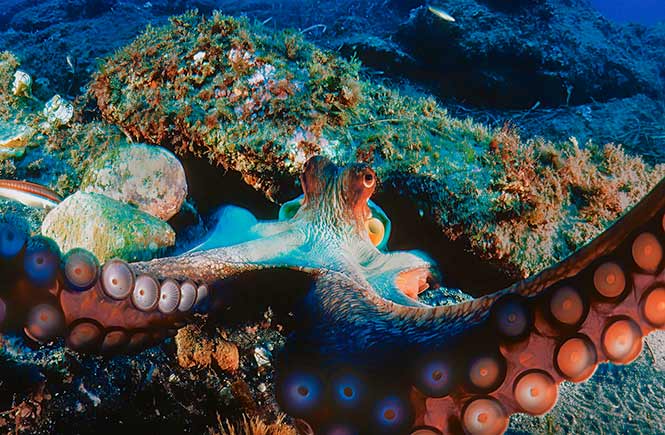
2025 was dubbed “Year of the Octopus” by The Wildlife Trusts in its annual review. Native to Cornish and UK waters, the common octopus (or Mediterranean octopus) is a highly intelligent and elusive being whose appearance is normally a rare treat.
That said, thanks to mild winter and spring temperatures, octopus numbers soared last year – with population estimates the highest since 1950 (and before that, 1900). So incredible was this ‘bloom’, that Seasearch volunteers recorded a whopping 1,500% population increase from 2023.
From West Cornwall to South Devon, the coast became a playground for these eight-armed wonders, delighting divers and marine biologists with regular appearances in the shallows. Mostly feeding on crabs, it seems they particularly enjoyed the coincidental surge in spider crab numbers last year, too!
Beautiful butterfly believed extinct sighted in Cornwall
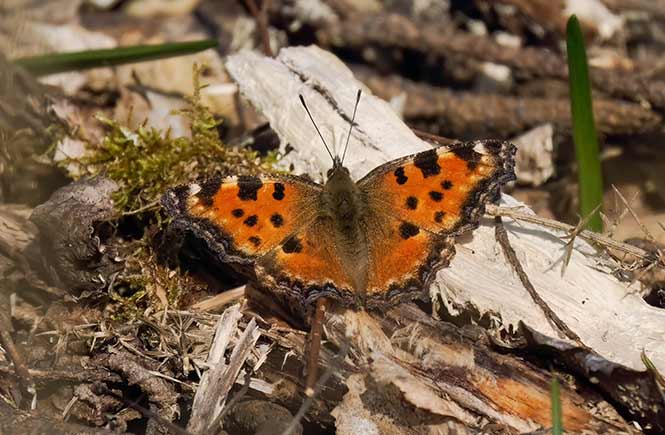
A species of butterfly believed to have been extinct in Cornwall has made a heart-fluttering comeback. Considered to be extinct for three decades, the beautiful Large Tortoiseshell butterfly has been sighted in various locations this year - thrilling wildlife lovers from near and far.
Butterfly Conservation spokesman Pete Hughes said: “We are really excited about the revival of the Large Tortoiseshell in Cornwall and across the south. Sadly, since the 1970s, more than half of butterflies in the UK have declined in abundance or distribution, so we’re really happy to see a species that used to be widespread doing well once again.
Our local branches in Cornwall and across the country do fantastic work all year-round to monitor butterflies and moths and do practical conservation, which is helping species to survive, so we look forward to seeing whether we can use some of this work to help the Large Tortoiseshell as well.”
Closely related to the Small Tortoiseshell butterfly, the Large Tortoiseshell is easily recognised with its big orange wings, decorated with distinctive black and blue markings. Last recorded as a UK resident in the 1980s, it has been sighted across Cornwall and southern England, inspiring hope for butterfly numbers and the potential for more wildlife comebacks.
Importantly, its reappearance also reinforces the need to keep protecting our wild areas and making space for nature to thrive - from the tallest tree to the daintiest butterfly.
New ‘Hogspital’ opened by Prickles & Paws Hedgehog Rescue
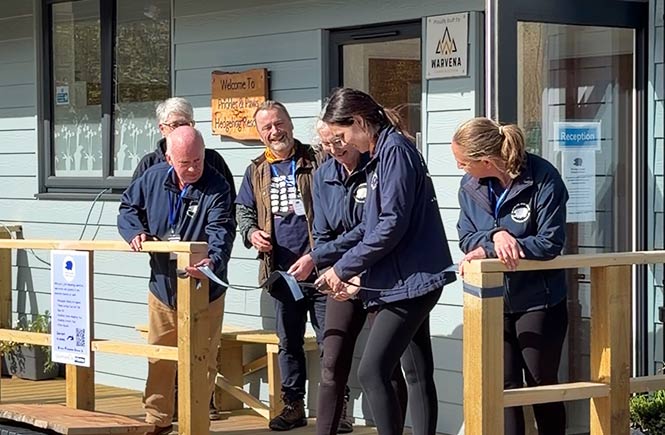
A new hedgehog hospital has been opened by Newquay-based Prickles & Paws Hedgehog Rescue at the Carnanton Estate. A new, specialised unit costing £300,000, this purpose-built Hogspital will provide much-needed space for the 1,400 hedgehogs that come through the rescue centre’s doors each year. Features include 14 incubators, an intensive care unit, and dedicated triage, isolation and rehabilitation spaces.
With hedgehog numbers declining in the UK, the work of the charity, founded by mother and daughter duo, Diane and Katy, is increasingly important. From nursing poorly or injured adults and rearing orphaned hoglets to teaching the public about how to make gardens hedgehog-friendly, the team goes above and beyond to protect one of our most beloved native species.
Proud sponsors of this wonderful charity, our team at Aspects recently attended the opening of the Hogspital. Communications Manager, Gemma Taylor, said: “We are thrilled to be able to support Prickles & Paws, and it’s really exciting to see this fantastic development. With the opening of the new hospital, even more hedgehogs will be able to receive life-saving treatment and it will support generations of hedgehogs to come”.
The charity’s CEO, John Lewis, said “Moving to the new Hogspital will enable Prickles & Paws to rescue, rehabilitate and release back into the wild even more hedgehogs. The Hogspital gives us a modern clinical setting where we can provide the highest standards of care, as well as a much-improved working environment for our volunteers and staff, and it positions our charity well for the next stage of our growth plans.”
Tuna removed from endangered species list on the IUCN Red List
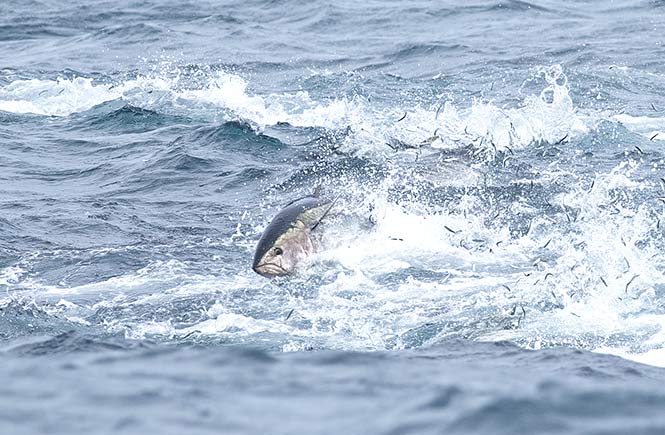
Fighting back from the brink of extinction, Atlantic bluefin tuna have officially been removed from the IUCN’s Red List of endangered species. Following a 15-year recovery project by the International Commission for the Conservation of Atlantic Tunas (ICCAT), these iridescent fish have experienced a heart-warming resurgence.
Following a 20-year absence from the UK shores, the coasts of Cornwall, Devon, and the Isle of Scilly are now frequently graced with sightings of these powerful fish leaping from the sea. Once under serious threat from overfishing, international controls have meant these 250kg giants have been able to bolster their numbers – saving the species from extinction and regulating local ecosystems too.
With numbers slowly on the rise, it’s all the more important to protect bluefins and carefully monitor their numbers to avoid repeating historic mistakes. Demonstrating the success of consistent conservation projects, this encouraging story provides a significant benchmark for future initiatives – ready to save even more at-risk species!
50-year temperate rainforest restoration project begins
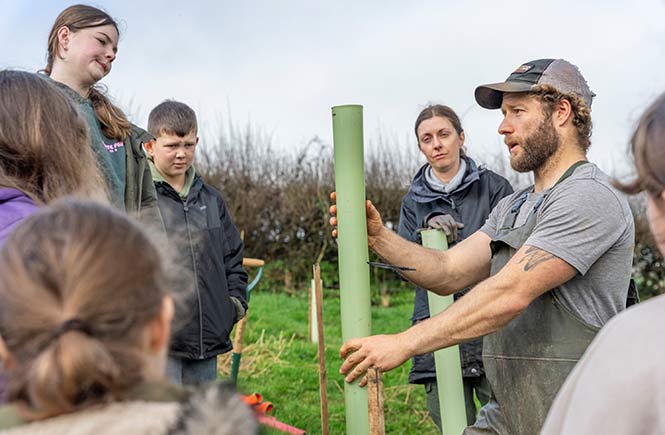
In a bid to revive Cornwall’s native habitats, Cornwall Wildlife Trust, along with partner Aviva, have begun a long-term reforestation project. With funding secured from Aviva and over £67,000 raised by CTW supporters, this 50-year project plans to restore precious temperate rainforest – a habitat that once covered 20% of the British Isles.
Planted in the soils of South East Cornwall, the first of 30,000 trees have officially been planted at CWT’s West Muchlarnick site. Supported by children of local primary school, Polperro Primary Academy, the project hopes to transform lower-grade farmland into one of the world’s rarest and richest habitats – supporting countless native species, cleaning the air, capturing carbon, and reducing the risk of flooding.
“Seeing the first trees go in the ground is a surreal and wonderful moment. The children who’ve been planting with us will be adults, maybe with families of their own, around the time these trees reach maturity. Over the next 10-20 years, the trees will become a woodland, and the lichens, mosses, and ferns that are so characteristic of temperate rainforest will begin to colonise.” Alison Smith, Temperate Rainforest Project Manager, Cornwall Wildlife Trust.
Hundreds of amphibians saved by Cornish volunteers
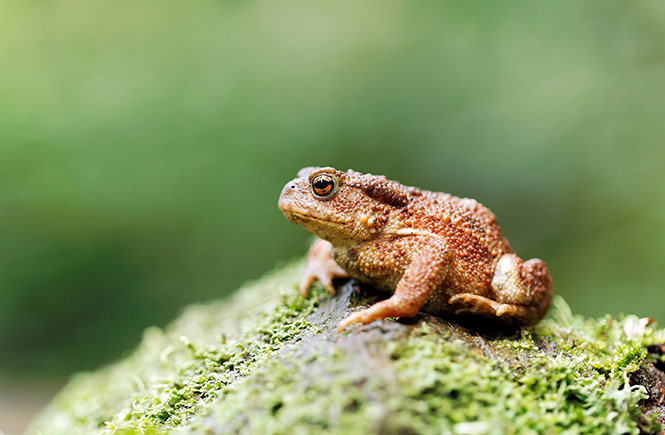
In a world that’s full of big ideas, it’s important to still look after the little ones. And that’s exactly what volunteers of conservation charity, Froglife, did early this year. Taking place over 32 nights in February and March 2026, 19 volunteers (including five schoolchildren) headed out to the countryside of North Cornwall to rescue amphibians.
With the arrival of mating season, migrating amphibians find themselves at risk from traffic, drainage channels, and more. Fortunately, local experts were able to step in and safely relocate these dinky beings to known breeding ponds – a practice Froglife has been carrying out since the 1970s.
In total, 960 toads, 63 palmate newts, and 10 frogs were rescued and relocated. As well as providing volunteers with crucial data, these nighttime patrols offer a vital lifeline for our threatened native species and the chance to secure generations of our island’s smallest and most vulnerable residents.
New life blooms after Storm Goretti at Trewithen Gardens
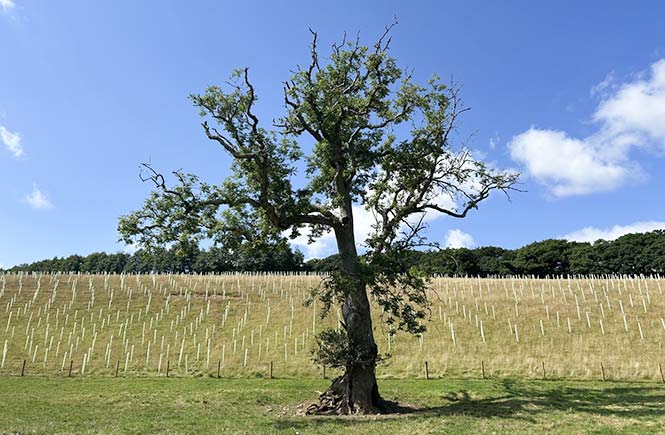
New life is emerging in Cornwall’s gardens after the devastating impacts of Storm Goretti. At the forefront, Trewithen Gardens near Truro is looking at ways to regenerate woodland, and the importance of putting the right trees in the right places. And, although 160 trees were lost at Trewithen during the storm, an exciting new chapter is beginning to bloom.
“This spring marks the completion of a two-year tree planting scheme across the wider Trewithen Estate, with over 64,000 trees planted. These new woodlands span marginal farmland, form vital wildlife corridors, and extend existing County Wildlife Sites.
From oak and sweet chestnut to Scots pine, native trees will buffer and renew habitat, as well as capture carbon. Over their first 50 years, these trees will sequester approximately 29,000 tonnes of carbon dioxide equivalent, locking this away for decades to come, while enriching soil carbon.
We are weaving trees into the farmed landscape too, starting with a newly established 2,700-tree agroforestry project. Central rows of specimen native trees are bordered by browsable trees and shrubs, providing nutrition and shelter to grazing dairy cattle, while improving soil structure and health, as well as water retention.
This project carries particular meaning, as some of these young trees have been grown from seeds collected within the gardens themselves. There is something deeply cyclical in seeing them take root in the estate just months after the loss of storm-felled trees - an echo of renewal and continuity.
Elsewhere on the estate, there are encouraging signs of recovery and resilience. Water voles, recently reintroduced after disappearing from Cornwall in the 1990s, are already showing promising signs of establishment. We are standing on the doorstep of recovery of Britain’s fastest declining mammal. A family of beavers, reintroduced in 2022 to a wetland valley corner of the estate, continues to do really well. Their habitat supports an abundance of different species, from otters to herons to dragonflies, enriching the ecological tapestry of this landscape once again.” Nellie Knottler, Environmental Sustainability & Marketing Coordinator at Trewithen.
Landing size of River Fal oysters increased for bigger, brighter future
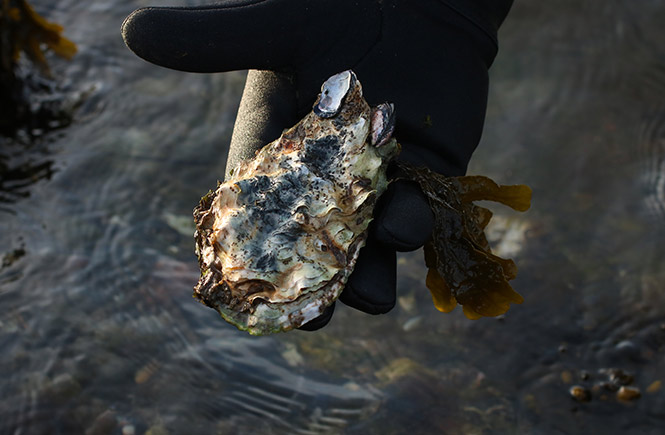
The future is bright for Fal River oysters. Taking strides to protect this saltwater mollusc, members of the Fal Fisheries Management Committee have agreed to increase the minimum landing size of Cornwall’s native river oysters.
Allowing oysters more time to grow, this new measure aims to rebuild existing stocks and support long-term sustainability. And, with larger oysters producing more larvae, its positive impact is expected to be multi-faceted, both for the oysters and the area’s fishing industry.
The oysters of the Fal Estuary and Truro are harvested traditionally under sail and oar. With these new measures, the minimum landing size will increase from 67mm to 72mm, meaning that the average age of oysters caught will be around 4 or 5 years old, instead of the 2 or 3 years currently.
Looking to retreat to Cornwall and take part in some of the amazing volunteer opportunities taking place in the county? Take a look at our handpicked cottages peppered from country to coast.